Tuesday, January 31, 2017

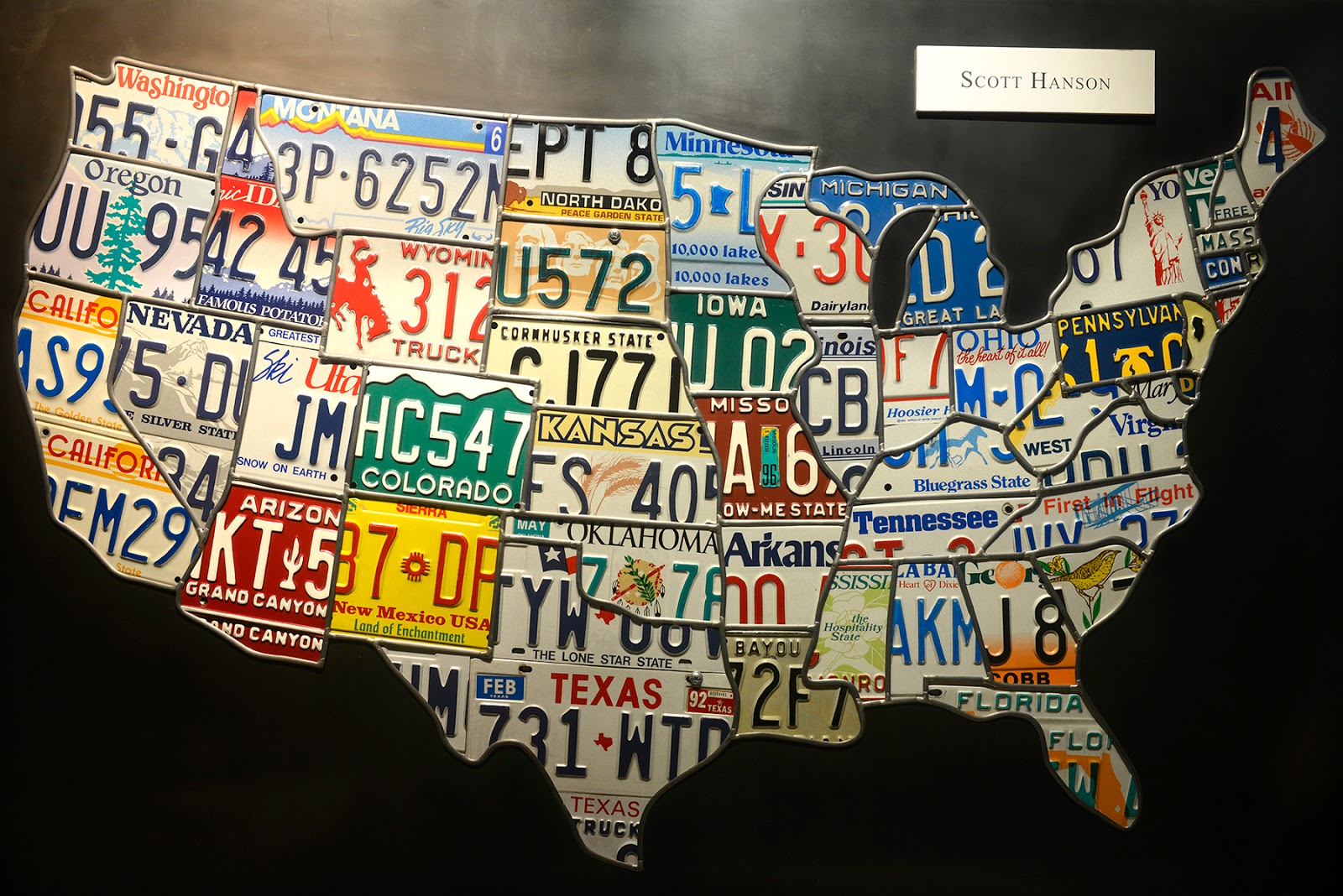
Trump’s policies could damage 'brand' USA and result in fewer international tourists coming to America


I am visiting Breckenridge in Colorado this week and have been chatting to tourism officials here about the significance of international tourists to their ski industry, and in particular, how the Mexican market has grown over the last decade. My immediate thought was: “Well, that’s a shame, because Donald Trump appears to be putting an end to that!” Perhaps I am wrong, but I expect the Mexican image of the US has been tarnished somewhat after recent political events, and as travelers we tend to visit places that we feel welcome. So the Mexicans may think twice about coming in the future, along with some of America's other big travel markets such as the UK. If around one million Brits are willing to sign a petition to prevent Trump visiting their country, they are not likely to come on vacation to the country that he leads. And, with the recent executive orders restricting travel to the US, a number of other countries are likely to boycott the US.  

To me, this is disturbing on two accounts. Firstly, tourism is a significant part of the economy - destinations like Breckenridge rely on tourism. The 75 million visitors America receives each year spend over $250 billion. In fact, each overseas traveler spends approximately $4,400 when they visit the US and stays an average of 18 nights. But already, the US share of total international arrivals has gone down - from 7.5% in 2000 to 6.5% today - and Brand USA, the agency responsible for ‘selling’ the US to the rest of the world, has realized that their lofty goal of receiving 100 million tourists by 2021 is just not achievable. 

But, secondly - and perhaps more importantly - travel makes the world a safer place (as does international trade). Research and experience have shown that two-way travel enhances friendships between peoples and facilitates cultural exchange, and there is a strong link between tourism and peace. As the Secretary-General of the World Tourism Organization recently said: “Through travel we gain understanding, tolerance, and empathy for our fellow man – essential in the globalization era, where our global village can only prosper through harmonious living.”

Of course, there will always be people interested in visiting a country in turmoil, and I heard a rumor (or an alternative fact) that Trump Tower has seen record numbers of visitors over the last few months. So perhaps there is method behind the madness! 

Saturday, January 7, 2017

Award Winners!!


Smart State Center PhD student Rui Qi and Dr. David Cardenas won the Best Paper Award at the 22nd Annual Graduate Education and Graduate Student Research Conference in Hospitality and Tourism in Houston. Congratulations to all the team!

Sunday, January 1, 2017

Savvy marketers encourage travelers to 'get social'


Did you know that while they are on vacation, over 70% of travelers post vacation photos on a social network or update their Facebook status? It is therefore important that marketers in the travel industry provide the opportunity for visitors to use social media (for example by providing free Wi-Fi). The next stage is to encourage them to ‘get social’. This poster is an example of a destination – Fernie Alpine Resort in British Columbia, Canada – doing just that; reminding visitors to share their experiences via social media. This is one of numerous examples of marketing best practices featured in our new book out soon – Marketing for Tourism, Hospitality & Events, to be published by Sage, London.


Saturday, December 10, 2016

Just published in print - "Let the journey begin (again): The branding of Myanmar


One of my favorite countries from my recent Semester at Sea voyage, Myanmar is an amazing place to visit. This article looks at how the country is trying to establish itself as a popular tourism destination after decades of isolation. The abstract of the paper is below, but a free download is available until the end of January at https://lnkd.in/djd8EkZ


Abstract
This paper tracks the history of destination marketing and branding in Myanmar, focusing on the challenges associated with changing a negative destination image. Through a theoretical lens based on image theory, the paper uses a case study approach to explore how a country such as Myanmar can alter a prolonged negative destination image. The analysis shows that although marketers in Myanmar are moving beyond a cosmetic approach to destination branding, the long-term strategies in place to improve Myanmar’s image could be called into question. The country faces many challenges, including a lack of trained human resources, and insufficient public services and infrastructure for tourism, so the journey to rebrand Myanmar as a competitive tourism destination will be a long one.